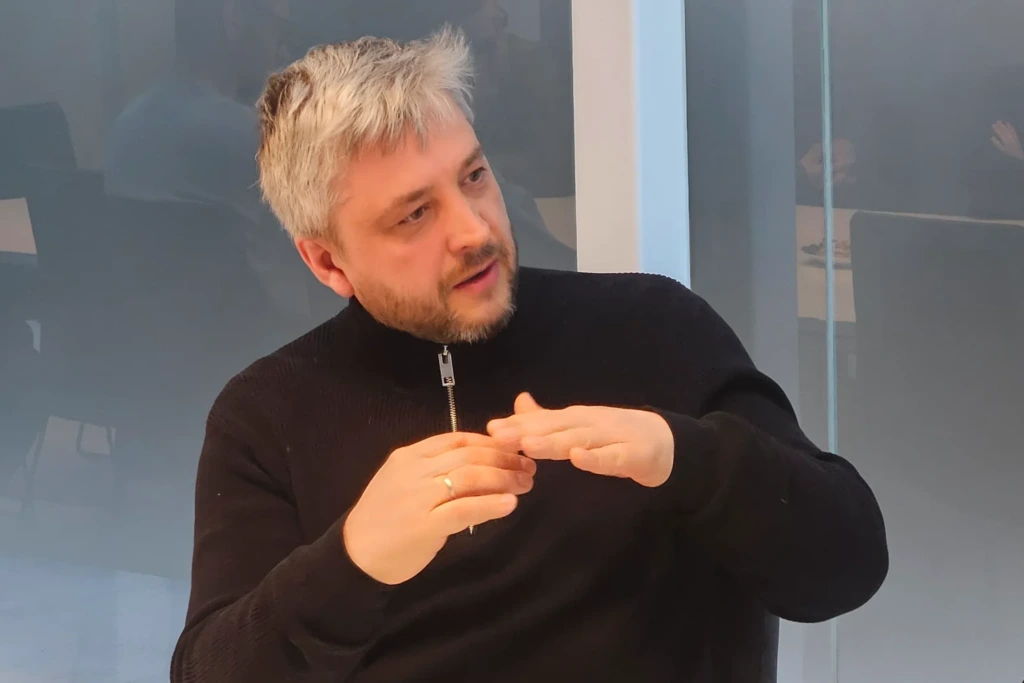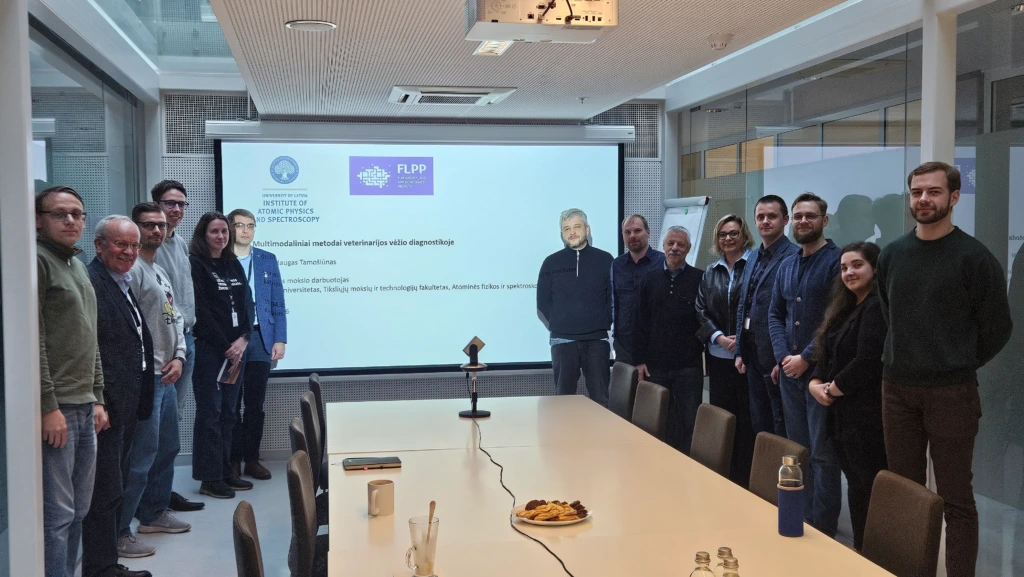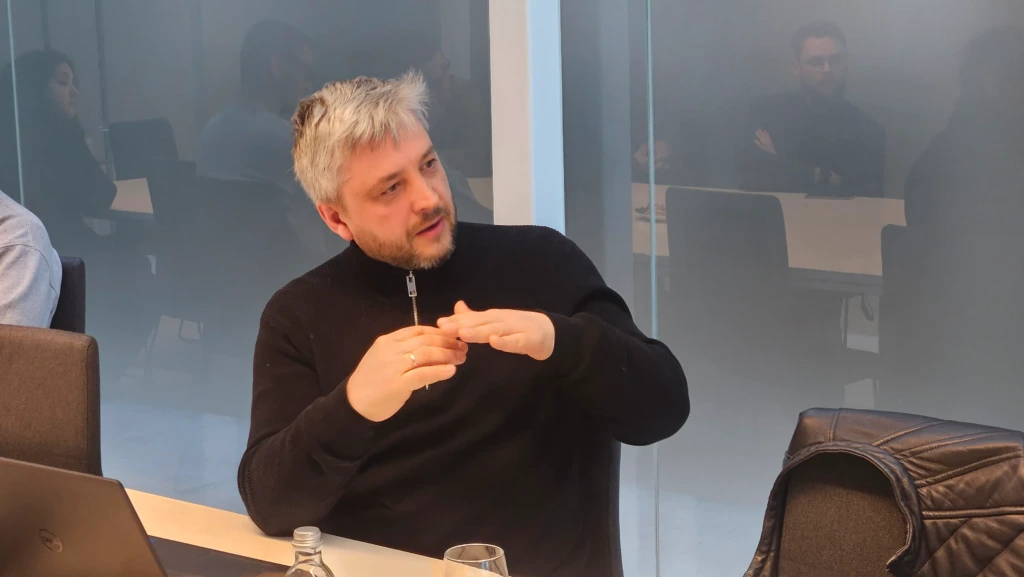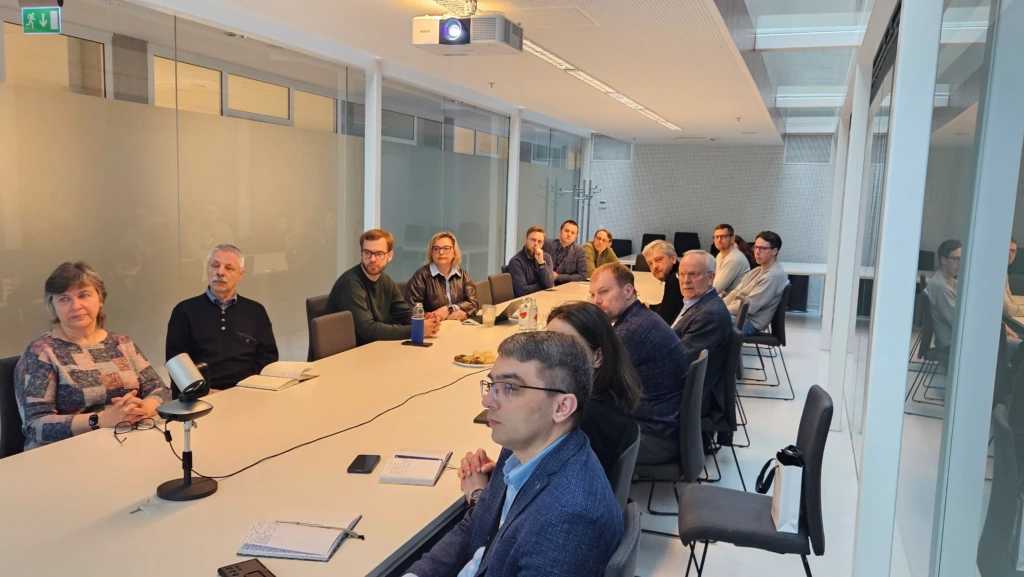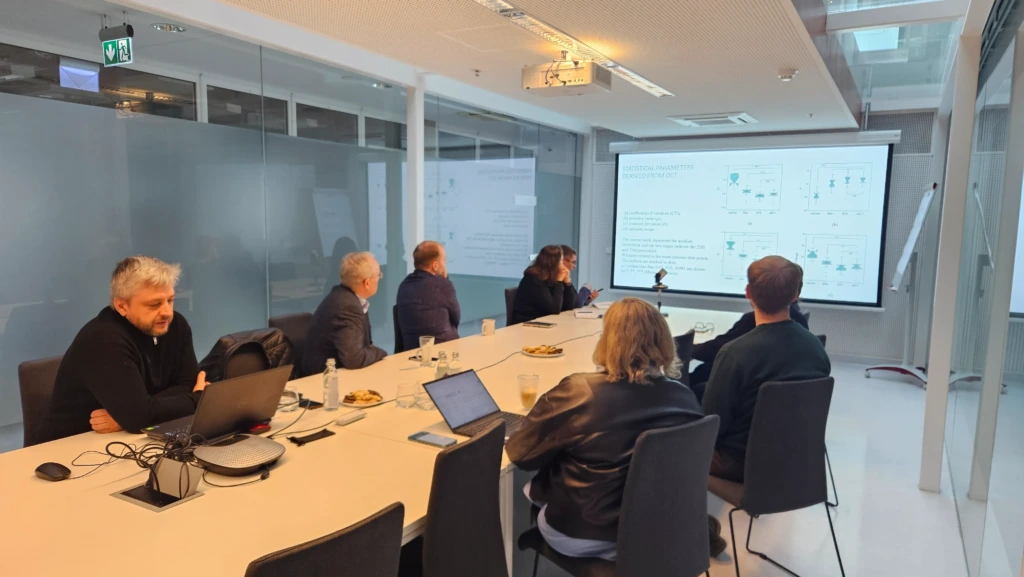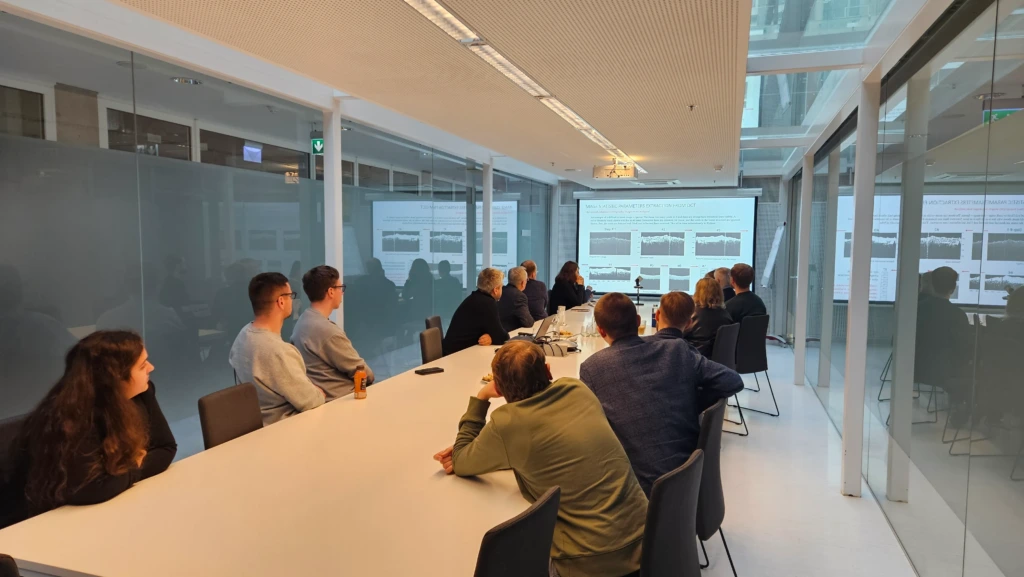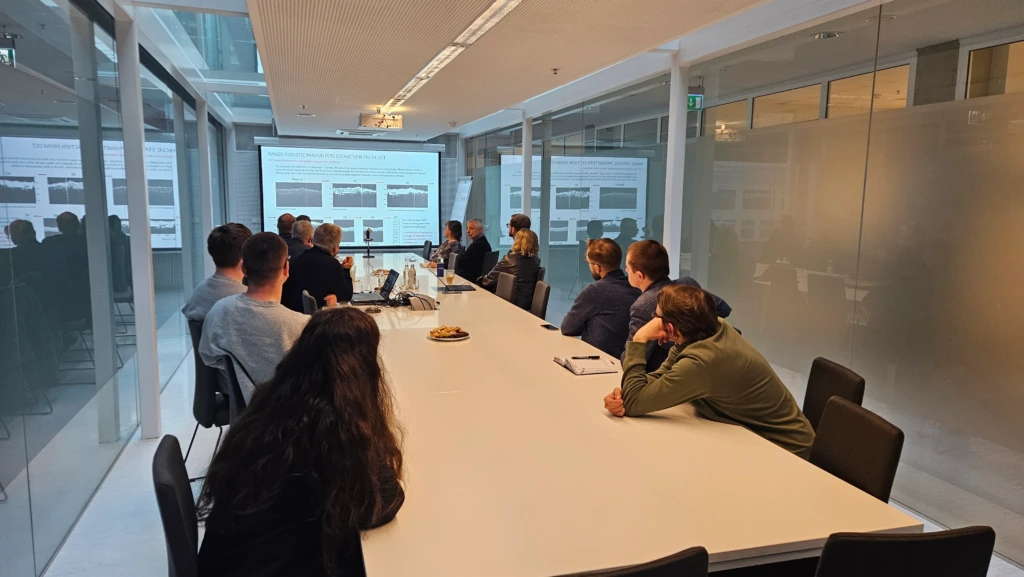

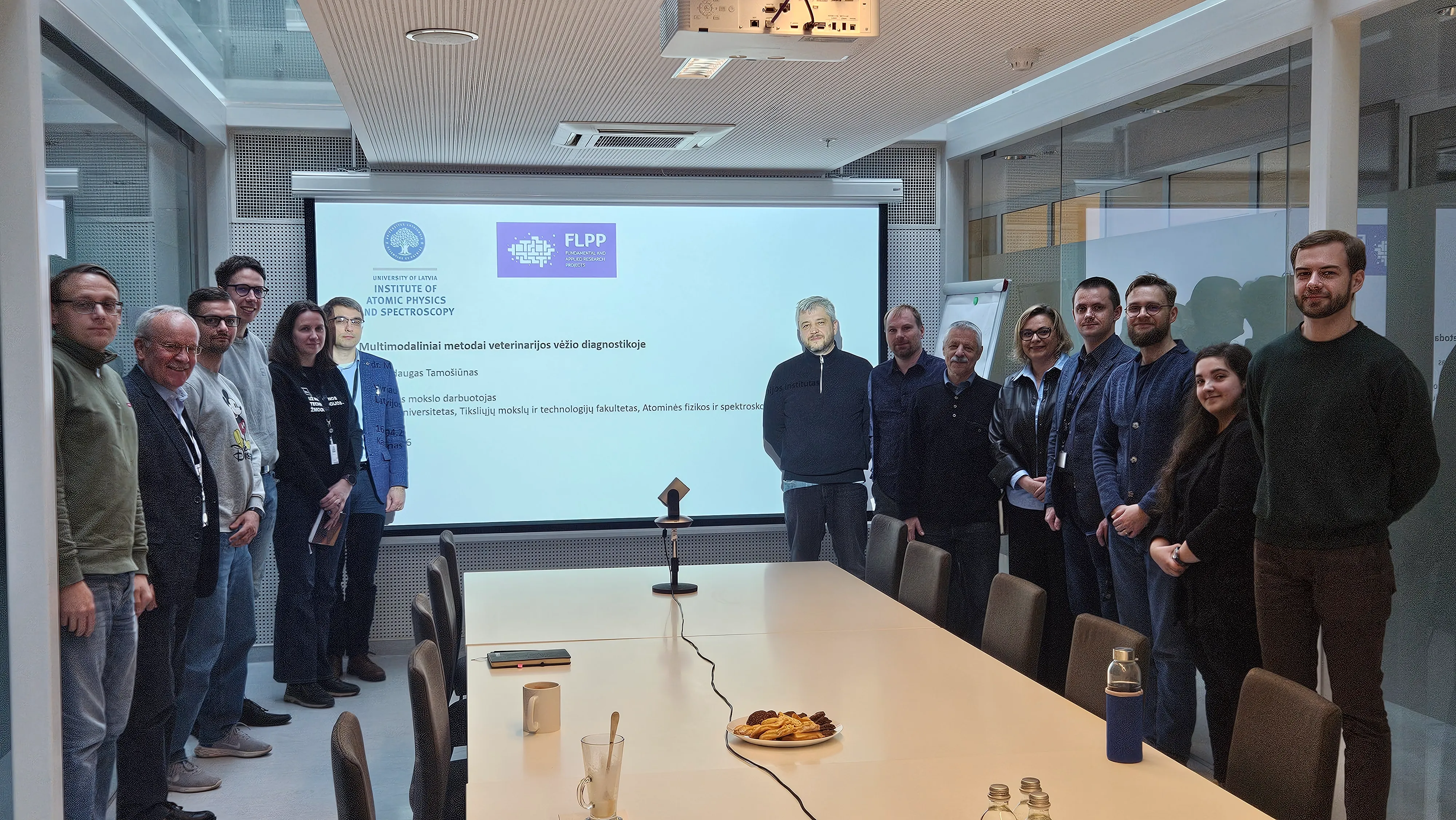
In April 2026, the Institute hosted a seminar entitled “Multimodal Methods in Veterinary Cancer Diagnostics”, delivered by a guest speaker from the University of Latvia, Dr Mindaugas Tamošiūnas.


In April 2026, the Institute hosted a seminar entitled “Multimodal Methods in Veterinary Cancer Diagnostics”, delivered by a guest speaker from the University of Latvia, Dr Mindaugas Tamošiūnas.
During the seminar, the speaker presented a multimodal approach for oncological diagnostics of veterinary tissues, combining Optical Coherence Tomography (OCT) and Raman spectroscopy. The presentation covered investigations of tissue microstructure and molecular composition, extraction of diagnostic features, and the application of machine learning methods for differentiating between benign and malignant tumors. Experimental studies using animal tumor samples were also presented, demonstrating how multimodal imaging can enhance the sensitivity and specificity of tissue diagnostics.
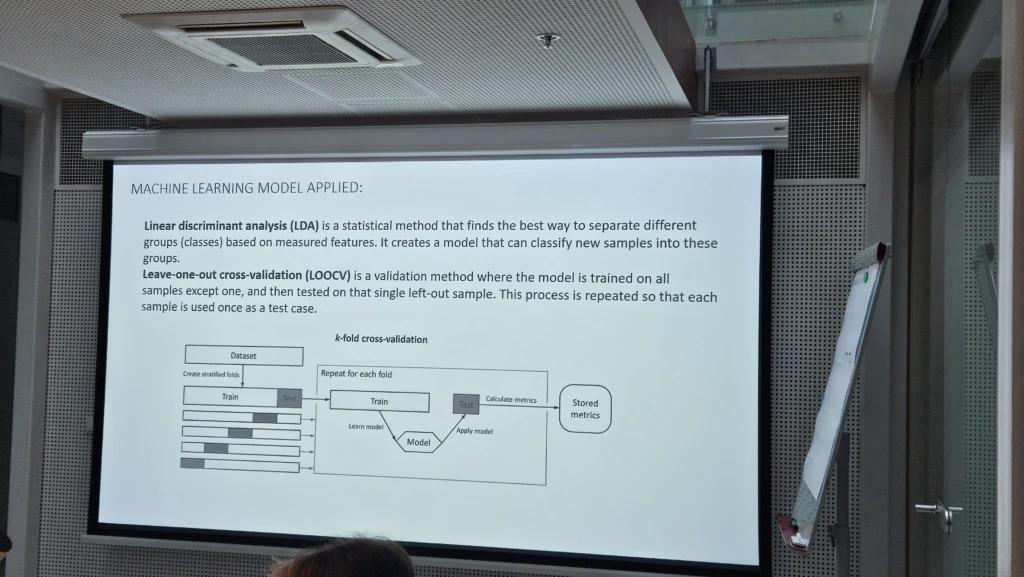
Considerable attention was given to comparing the performance of machine learning classifiers, including Linear Discriminant Analysis (LDA), Support Vector Machines (SVM), Decision Trees (DT), and Random Forests (RF), in the classification of various types of animal tumors such as lipomas, soft tissue sarcomas, and mast cell tumors (mastocytomas).
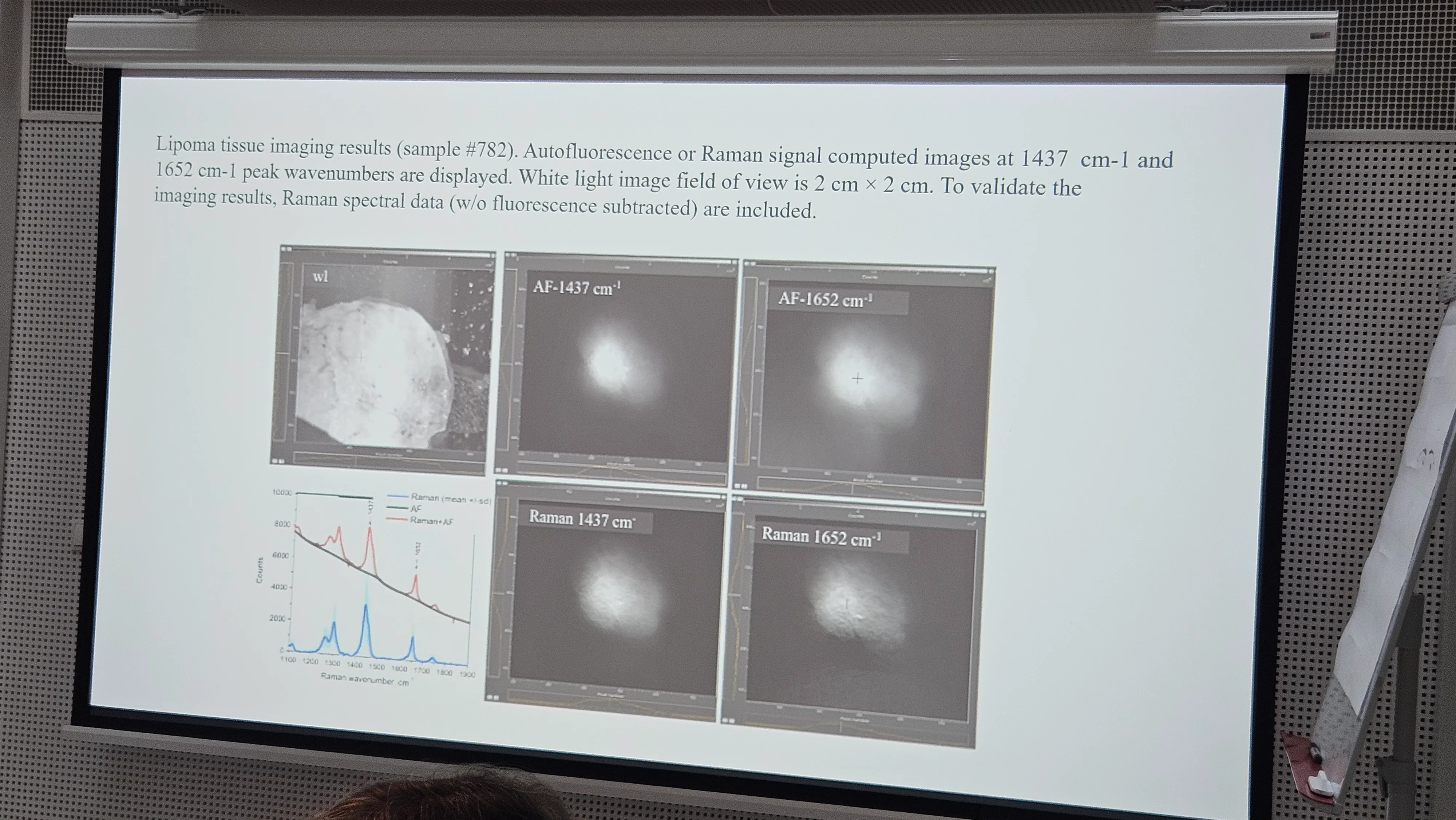
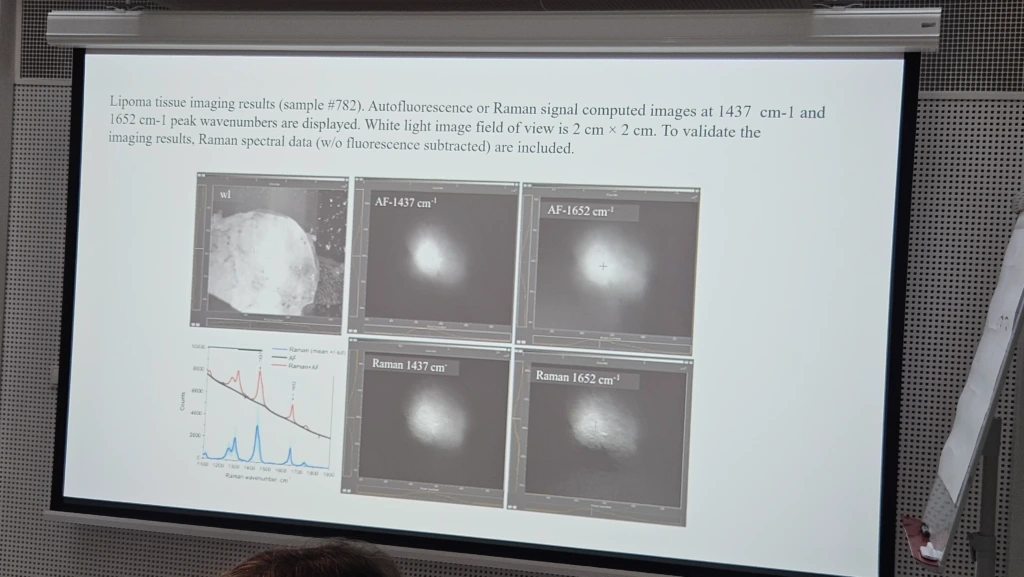
The presentation also discussed the analysis results of Raman spectral bands at 1437 cm⁻¹ and 1655 cm⁻¹, as well as methods for separating autofluorescence and Raman signals. It was demonstrated that the combination of these parameters enables high classification accuracy (up to approximately 96%) in differentiating benign and malignant tissues and provides a basis for the development of simplified diagnostic systems suitable for clinical application.
The seminar concluded with a discussion focusing on the importance of multimodal imaging methods for earlier and more accurate cancer diagnostics. The audience showed strong interest in the applied methodologies and raised questions regarding the separation of Raman and autofluorescence signals during imaging data processing, as well as calibration of filter tilt angles for Raman spectral band imaging. The discussion also covered the physical operating principles of Optical Coherence Tomography (OCT) and its practical application in biomedical research. In addition, the potential of zinc oxide (ZnO) tetrapodal nanoparticles synthesized at KTU for Raman signal enhancement was discussed, highlighting their applicability for investigations of unstained histological samples as well as for molecular composition analysis of other biological objects.
The seminar was held as part of the activities of the international project “Sens4Corn” and contributed to the project’s objectives of promoting the application of advanced multimodal methods and fostering interinstitutional cooperation in the fields of science and innovation.
More information about the project can be found here: https://www.sens4corn.eu/